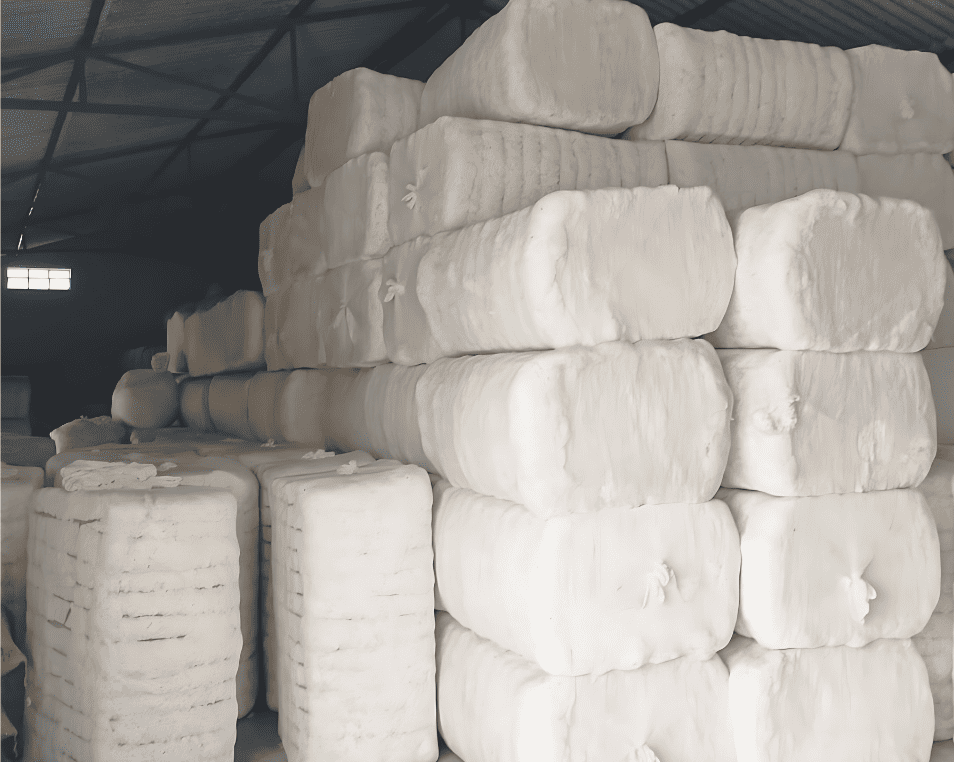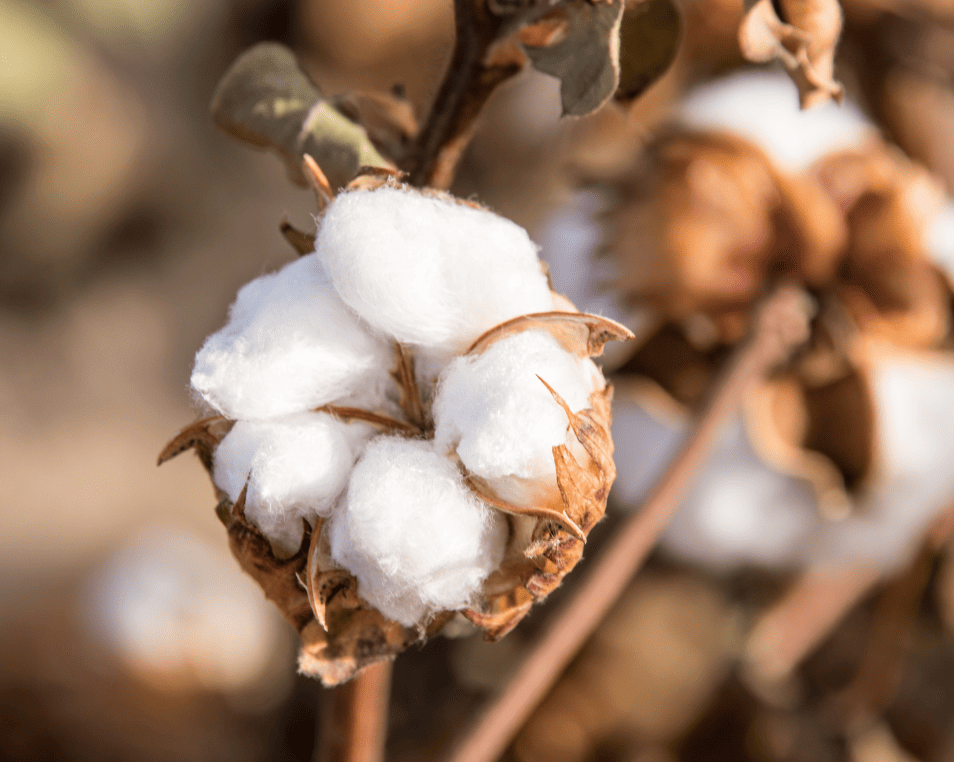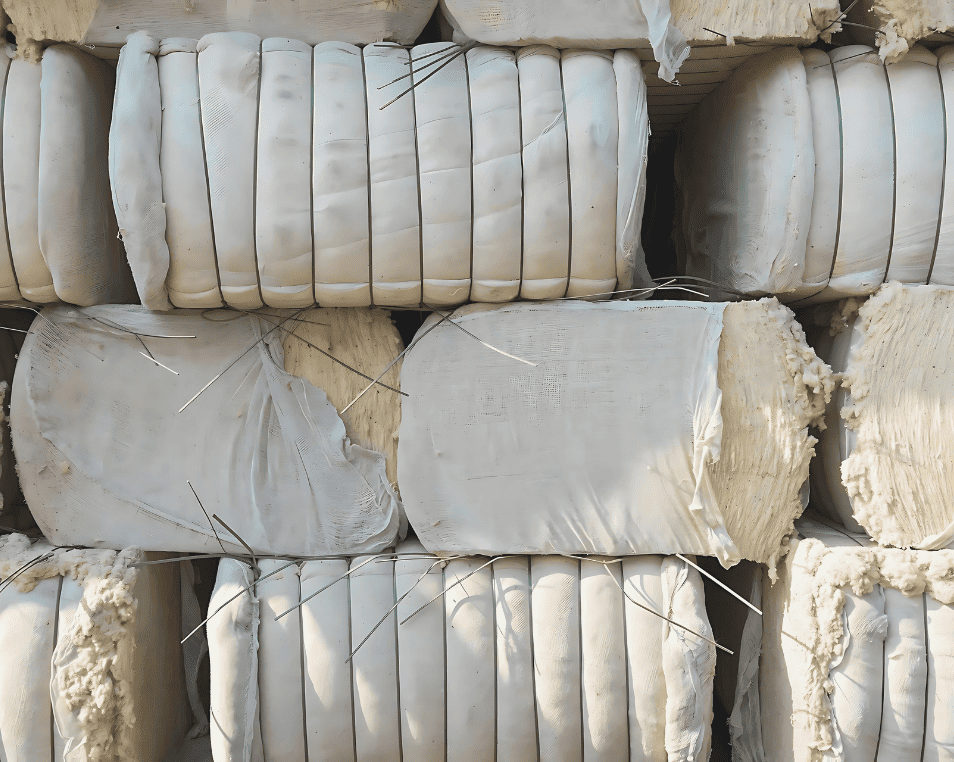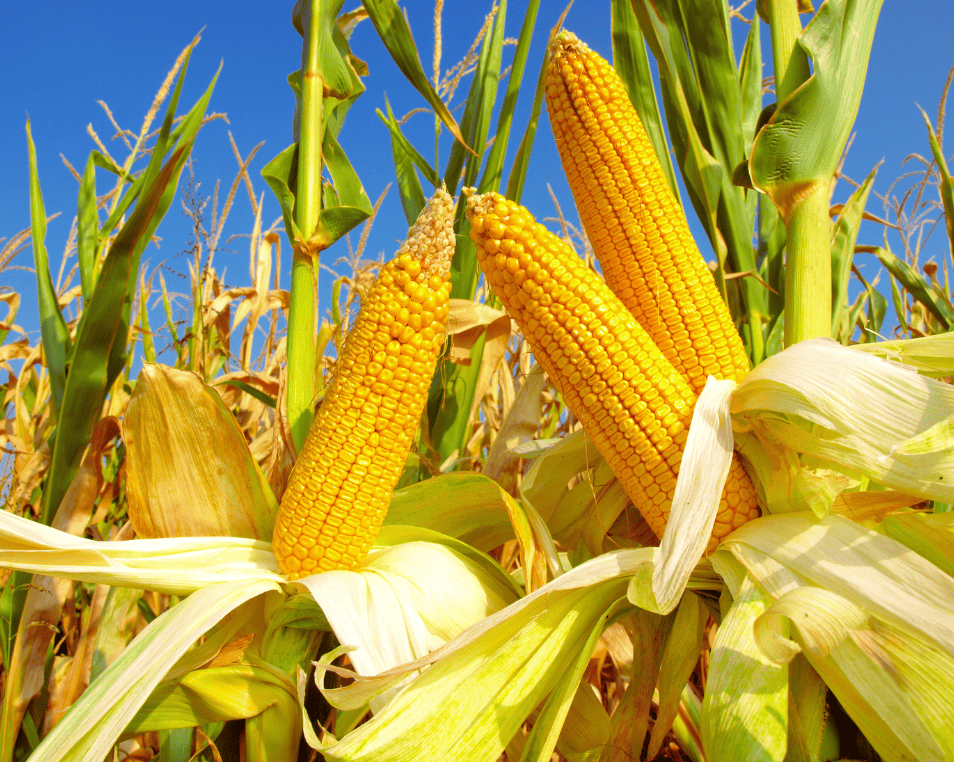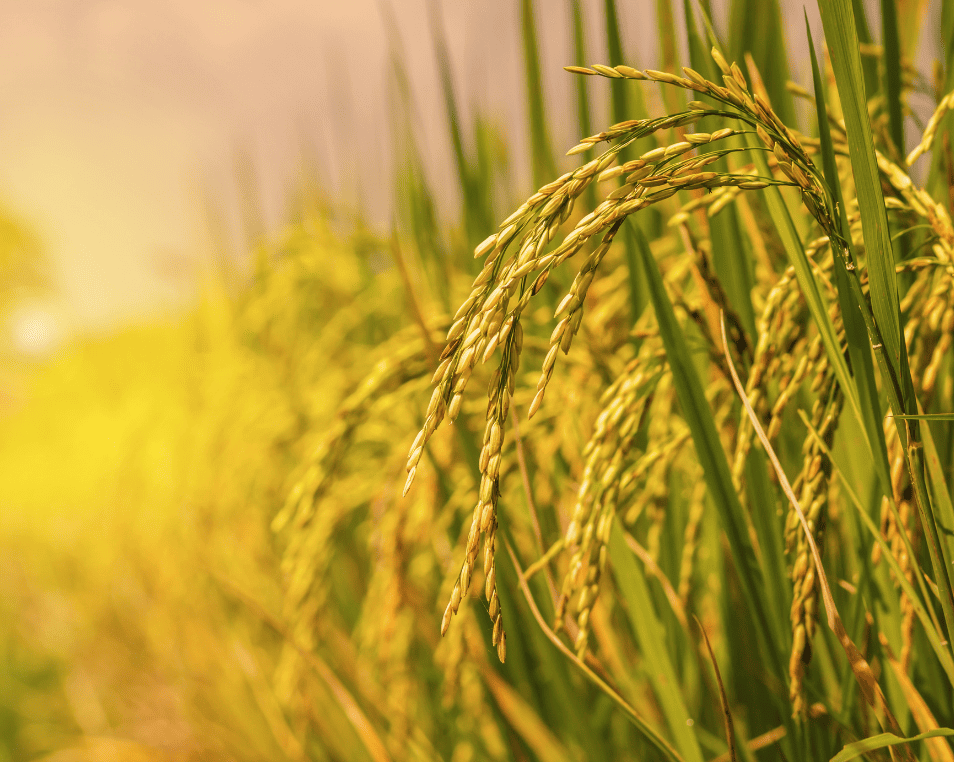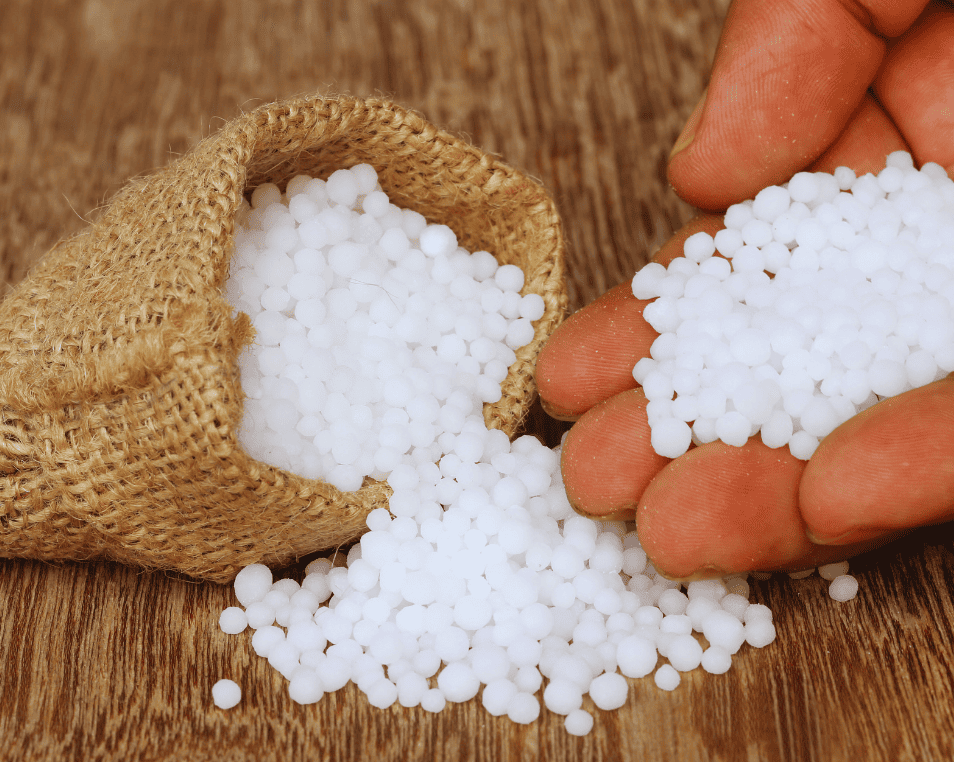
Cotton, corn and rice are among the key commodities traded by DCT Trading.
Cotton bales are segregated and classified in accordance with internationally recognized industry standards, taking into account factors such as density, weight and fiber length.
Organic baled cotton is cotton produced and certified in accordance with organic farming standards. The entire process, from planting and harvesting through subsequent storage, is subject to specific controls under established standards. Organic cotton cultivation does not permit the use of toxic chemicals or genetically modified organisms (GMOs).
Linter is the very short cotton fiber obtained by cutting, with linter machines, the fibers remaining on cottonseed after ginning. Linters are the residual fibers left on the cottonseed after the main cotton fibers have been removed.
Corn is an important member of the grain family and is widely cultivated, particularly across the Americas. It has served as a staple food in many cultures throughout human history and is one of the world’s most widely produced agricultural commodities. Although its main species is native to the Americas, global trade and dissemination have made corn common in cuisines around the world. Its uses range from industrial applications to human consumption. Proper storage and processing are essential to preserving its quality and nutritional value, supporting long-term consumption and its important role in the global food chain.
Rice is an important member of the grass family and one of the principal staple foods for populations in Asia and Africa. It is the world’s third most-produced agricultural commodity. Although its main species are native to Asia and certain regions of Africa, centuries of trade and export have spread rice across cultures worldwide.
Granular urea is produced by reacting anhydrous ammonia under pressure at approximately 180°C. Urea fertilizer is marketed in two main forms: prilled and granular. Granular urea, characterized by its white color and odorless nature, can be used across crops throughout the production cycle and dissolves readily in water.